
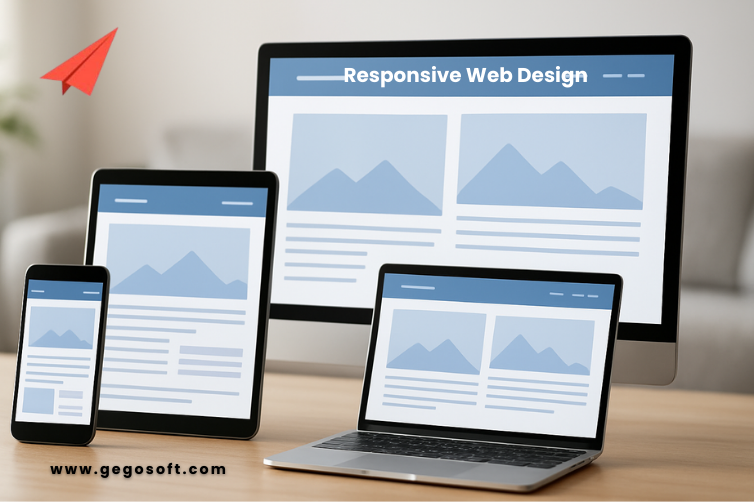
Over 63% of web traffic now originates from mobile devices, and 83% of users expect websites to work flawlessly across smartphones, tablets, and desktops. In this multi-device reality, responsive web design has evolved from a competitive advantage to an absolute necessity for online success. Whether visitors access your site on their phone during their morning commute, their tablet while relaxing at home, or their desktop at work, responsive web design ensures they experience the same quality, functionality, and visual appeal regardless of screen size. This approach doesn’t just improve user satisfaction—it directly impacts search rankings, conversion rates, and business growth in ways that desktop-only or poorly optimized sites simply cannot match.
Responsive web design represents a fundamental shift in how we approach web development, moving from creating separate versions for different devices to building flexible, adaptive interfaces that work everywhere. This guide explores how professional responsive web design creates seamless user experiences while delivering measurable business results in 2025’s mobile-first digital landscape.
Understanding Responsive Web Design in 2025
Responsive web design is a web development approach creating websites that automatically adapt their layout, content, images, and functionality to fit any screen size or device type. Rather than maintaining separate desktop and mobile versions, responsive web design uses fluid grid layouts, flexible images, and CSS media queries to create single codebases that work beautifully everywhere. This unified approach reduces development costs, simplifies maintenance, and ensures consistent experiences across devices.
The technical foundation of responsive web design combines flexible grids that proportion elements based on screen width, media queries that apply different styles at specific breakpoints, flexible images that scale appropriately without breaking layouts, and mobile-first methodology prioritizing smaller screens before scaling up. Modern responsive web design goes beyond simple layout adjustments, incorporating touch-friendly interfaces, performance optimization for mobile networks, and accessibility considerations ensuring experiences work for all users. When businesses invest in professional design services, responsive implementation becomes strategic rather than afterthought, ensuring every device receives optimal experiences.
Google’s mobile-first indexing means search rankings are determined primarily by mobile experiences, making responsive web design essential for SEO success. Sites without mobile optimization can lose up to 50% of potential traffic through reduced search visibility alone.
Why Responsive Web Design Matters More Than Ever
The business case for responsive web design strengthens annually as mobile usage continues growing and user expectations rise. Understanding these drivers helps justify investment and prioritize responsive implementation.
Dominance of Mobile Traffic and User Behavior
Mobile devices account for the majority of internet usage globally, with many users accessing websites exclusively through smartphones. Responsive web design ensures these mobile-dominant audiences receive experiences equal to desktop users rather than degraded, frustrating interactions. Users increasingly expect seamless multi-device experiences—starting product research on mobile during commutes, continuing on tablets at home, and completing purchases on desktops at work. Responsive web design enables these cross-device journeys through consistent interfaces and synchronized experiences.
Google Mobile-First Indexing and SEO Impact
Search engines primarily evaluate mobile versions when ranking websites, making responsive web design critical for search visibility. Sites without mobile optimization face ranking penalties, reduced organic traffic, and lost opportunities to capture searchers. Beyond rankings, responsive web design affects other SEO factors including page speed (mobile-optimized sites load faster), bounce rates (mobile-friendly sites keep visitors engaged), and Core Web Vitals (responsive implementation directly impacts performance metrics). Investing in responsive web design pays SEO dividends through improved rankings and organic traffic growth.
Higher Conversion Rates and Revenue
User experience directly impacts conversion rates, and responsive web design dramatically improves mobile user experiences. Mobile users encountering non-responsive sites frequently abandon them—40% leave if pages take longer than three seconds to load, and 57% won’t recommend businesses with poorly designed mobile sites. Conversely, responsive web design increases mobile conversions through intuitive navigation, readable text without zooming, touch-friendly buttons and forms, and fast loading optimized for mobile networks. These improvements translate directly into increased revenue, with responsive sites typically seeing 10-20% conversion rate improvements after implementation. When partnering with experienced development teams, responsive optimization focuses on revenue-driving elements ensuring business impact.
Cost Efficiency and Maintenance Simplification
Maintaining separate desktop and mobile versions doubles development effort, testing requirements, and ongoing maintenance costs. Responsive web design eliminates this duplication through unified codebases serving all devices. Updates happen once rather than multiple times, testing covers all devices through single implementations, and content management remains centralized. This efficiency reduces total cost of ownership while enabling faster iteration and improvements.
Core Principles and Technologies of Responsive Web Design
Professional responsive web design combines several technical approaches working together to create adaptive, device-agnostic experiences.
Fluid Grid Layouts and Flexible Containers
Responsive web design uses percentage-based widths rather than fixed pixel dimensions, allowing layouts to proportionally resize based on available screen space. Grid systems divide layouts into columns that reflow and stack appropriately at different breakpoints. Modern CSS Grid and Flexbox provide powerful tools for creating flexible responsive web design layouts that adapt intelligently without complex calculations or hacks required by older techniques.
Media Queries and Breakpoints
Media queries detect device characteristics—screen width, height, orientation, resolution—and apply appropriate styles. Responsive web design typically defines breakpoints where layouts significantly change, commonly at mobile (under 480px), tablet (481-768px), small desktop (769-1024px), and large desktop (1025px+) sizes. Modern responsive web design also uses container queries, applying styles based on element’s container size rather than viewport, enabling more modular, reusable components that respond to their context.
Flexible Images and Media
Images in responsive web design must scale appropriately without breaking layouts or wasting bandwidth. Techniques include max-width properties preventing images from exceeding container widths, picture elements serving different image sizes based on screen size, lazy loading deferring offscreen image loading until needed, and modern image formats like WebP reducing file sizes. Video content similarly requires responsive implementation ensuring proper scaling and mobile-friendly controls.
Mobile-First Development Approach
Modern responsive web design embraces mobile-first methodology, designing for smallest screens initially before progressively enhancing for larger displays. This approach forces prioritization of essential content and functionality, prevents desktop-centric thinking creating poor mobile experiences, improves performance by eliminating unnecessary elements, and future-proofs designs as mobile usage continues growing. Mobile-first responsive web design ensures mobile users—now the majority—receive optimal experiences rather than compromised afterthoughts. Working with professional WordPress developers ensures mobile-first principles apply to content management, theme development, and overall site architecture.
Research indicates that businesses implementing mobile-first responsive web design see 192% increases in mobile traffic and 26% improvements in overall monthly visits, demonstrating the significant impact of prioritizing mobile experiences on user engagement and business metrics.
Responsive Web Design Best Practices for 2025
Contemporary responsive web design incorporates emerging technologies and evolving best practices addressing current user expectations and technical capabilities.
Performance Optimization and Core Web Vitals
Page speed critically impacts both user experience and search rankings. Responsive web design must optimize performance through code splitting loading only necessary resources, critical CSS inlining above-the-fold styles, image optimization and compression, content delivery networks distributing assets globally, and browser caching reducing repeat visit load times. Google’s Core Web Vitals—Largest Contentful Paint, First Input Delay, Cumulative Layout Shift—directly impact rankings, making performance optimization essential to responsive web design success.
Touch-Friendly Interactive Elements
Mobile users interact through touch rather than precise mouse pointers, requiring different interface considerations. Responsive web design implements touch-friendly elements including buttons and links minimum 44×44 pixels, adequate spacing preventing accidental taps, swipe gestures for natural mobile interactions, and touch feedback providing visual confirmation of interactions. These considerations dramatically improve mobile usability, reducing frustration and improving conversion rates.
Progressive Enhancement and Graceful Degradation
Responsive web design should work everywhere, including older browsers and slower connections. Progressive enhancement starts with core functionality working universally, then adds enhanced features for capable browsers. This ensures baseline experiences for all users while delivering richer experiences where supported. Graceful degradation provides fallbacks when modern features aren’t available, preventing broken experiences on older devices.
Accessibility and Inclusive Design
Responsive web design must work for users with disabilities, including proper heading hierarchies enabling screen reader navigation, sufficient color contrast for visual impairments, keyboard navigation without requiring mouse, alternative text for images, and skip navigation links bypassing repetitive content. Accessible responsive web design benefits all users while expanding potential audience and meeting legal requirements in many jurisdictions.
Responsive Web Design Testing and Quality Assurance
Creating responsive web design requires comprehensive testing across devices, browsers, and network conditions ensuring consistent quality experiences everywhere.
Multi-Device Testing Strategies
Responsive web design testing combines browser developer tools simulating various screen sizes, real device testing on actual smartphones and tablets, cloud-based testing platforms providing access to numerous device combinations, and automated visual testing catching layout regressions. Testing must cover various screen sizes, different browsers and versions, portrait and landscape orientations, and diverse network speeds. Professional responsive web design includes thorough testing throughout development rather than discovering issues after launch.
Performance Testing Across Networks
Responsive web design must perform well on fast fiber connections and slow mobile networks. Performance testing simulates various connection speeds, identifies resource loading bottlenecks, measures Core Web Vitals scores, and validates optimization implementations. Tools like Google Lighthouse, WebPageTest, and PageSpeed Insights provide detailed performance analysis guiding optimization efforts. When working with experienced web development companies, performance testing becomes integral to development rather than separate phase, ensuring optimal experiences across all network conditions.
Cross-Browser Compatibility Verification
Users access websites through diverse browsers—Chrome, Safari, Firefox, Edge—each rendering slightly differently. Responsive web design testing verifies consistent appearance and functionality across major browsers and versions, identifies browser-specific issues requiring fixes or workarounds, and validates fallbacks for unsupported features. Automated cross-browser testing tools accelerate this process, catching compatibility issues efficiently.
Common Responsive Web Design Mistakes to Avoid
Even experienced developers encounter pitfalls that undermine responsive web design effectiveness. Understanding these mistakes helps avoid them.
Overusing Large Images and Media
Heavy images devastate mobile performance and consume user data allowances. Responsive web design must optimize images through compression, appropriate sizing for different screens, lazy loading deferring offscreen content, and modern formats reducing file sizes. Images should never be the reason responsive web design fails performance targets.
Neglecting Touch Interactions and Gestures
Designing exclusively for mouse interactions creates frustrating mobile experiences. Responsive web design implements touch-specific interactions, adequate button sizing, and natural gesture support. Hover-dependent functionality must have touch alternatives since mobile devices don’t support hover states.
Ignoring Viewport Meta Tag
The viewport meta tag tells browsers how to render responsive web design on mobile devices. Without it, mobile browsers render desktop versions at tiny scales, defeating responsive implementation. This simple tag is essential for responsive web design to function correctly on mobile devices.
Testing Only in Desktop Browsers
Simulating mobile in desktop developer tools reveals some issues but misses device-specific problems. Responsive web design requires testing on actual mobile devices discovering touch interaction issues, performance problems, and rendering quirks impossible to identify through simulation alone.
Frequently Asked Questions About Responsive Web Design
Q: What’s the difference between responsive and adaptive design?
Responsive web design uses fluid grids and flexible layouts that continuously adapt to any screen size, while adaptive design uses multiple fixed layouts for specific screen sizes, switching between them at breakpoints. Responsive web design provides smoother transitions across devices and requires less maintenance since one flexible implementation works everywhere. Adaptive design offers more control over specific layouts but requires maintaining multiple versions. Most modern projects choose responsive web design for its flexibility and efficiency.
Q: How much does professional responsive web design cost?
Responsive web design costs vary based on site complexity, custom requirements, and feature scope. Simple business sites typically range from $3,000-$8,000, custom-designed sites cost $10,000-$25,000, and complex applications can exceed $30,000. While representing significant investment, responsive web design delivers returns through improved SEO rankings, higher mobile conversions, reduced maintenance costs, and future-proofing as mobile usage continues growing. Professional implementation costs less than maintaining separate mobile and desktop versions.
Q: Can existing websites be converted to responsive design?
Yes, existing sites can be retrofitted with responsive web design, though costs and complexity depend on current architecture. Simple sites with clean HTML/CSS convert relatively easily through adding media queries and flexible grids. Complex sites with outdated code might require partial or complete rebuilds. Professional assessment determines optimal approach—full redesign versus incremental responsive web design improvements. When engaging experienced development teams, they evaluate existing sites recommending cost-effective paths to responsive implementation.
Q: How does responsive web design impact website speed?
Well-implemented responsive web design improves speed through mobile-optimized code, appropriately sized images for each device, elimination of unnecessary desktop elements on mobile, and performance-focused development practices. Poorly implemented responsive web design can harm speed through excessive CSS, unoptimized images serving large files to mobile, or JavaScript-heavy solutions. Professional responsive web design prioritizes performance ensuring mobile experiences load quickly even on slower networks.
Q: What’s the future of responsive web design?
Responsive web design continues evolving with emerging technologies including foldable devices requiring new layout considerations, voice interfaces needing responsive approaches, AI-driven layouts personalizing experiences, container queries enabling more modular components, and Progressive Web Apps combining responsive design with app-like capabilities. The core principle—creating flexible experiences working everywhere—remains constant even as implementation techniques advance. Investing in responsive web design ensures sites adapt to whatever devices and interaction models emerge.
Create Future-Ready Websites with Professional Responsive Design
Responsive web design has evolved from optional enhancement to fundamental requirement for online success. With mobile traffic dominating, search engines prioritizing mobile experiences, and users expecting seamless cross-device functionality, businesses cannot afford websites that only work well on desktops. Professional responsive web design delivers experiences that work everywhere, rank well in search results, convert visitors into customers, and adapt as new devices emerge.
At GegoSoft Technologies, our responsive web design services combine mobile-first methodology with performance optimization and accessibility best practices. We’ve delivered responsive websites across industries, consistently exceeding expectations through attention to detail, comprehensive testing, and focus on both user experience and business results. From initial strategy through design, development, testing, and ongoing optimization, we ensure your website provides exceptional experiences across every device.
Ready to create a responsive website that works beautifully everywhere while driving measurable business results? Contact our responsive design team today to discuss your audience, business objectives, and vision for exceptional cross-device experiences. Let’s build a website that not only looks great but delivers the performance, accessibility, and user satisfaction that modern digital success requires.